

Description
POLI330N Week 4 Discussion: The Influence of Interest Groups: Balancing Advocacy and State Regulation
Initial Post Instructions
During the Week 4 discussion, you will look at how special interest groups are powerful players in shaping public policy. For example, focused interest groups work to improve outcomes by promoting policies that expand healthcare access, mental health, and child welfare, improve nutrition, protect the environment, and prevent the spread of infectious diseases. Special interest groups may also lobby to limit regulatory measures, often emphasizing economic concerns over health priorities.
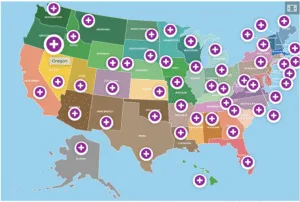
In this discussion, find an article or information about a specific policy of interest from your state using the interactive map below or search for your own in the CU Library. (NOTE: You will need to log in to the Chamberlain Library before accessing these resources.)
Then, in one (1) short paragraph (i.e., 3-5 complete sentences), briefly address the following:
- Introduce the special interest group(s) that you have chosen. Discuss who is advocating for the policy you have selected.
- Who is opposing it? (If no specific groups are named, feel free to talk about the supporters and/or opponents engaged in this issue).
- Then, analyze the role of these special interest groups and how they are working to support or challenge policies. What impact do they have?
Remember: There are no “right” or “wrong” answers. These are your own personal reflections.
SOLUTION:
Introduction
Interest groups are central actors in American democracy. They represent diverse constituencies, bring expertise to policymaking, and amplify the voices of individuals and communities. However, their influence raises important questions about balance: How do we ensure that advocacy does not override the public interest? How do we regulate groups without silencing civic participation? By analyzing the role of interest groups in policymaking, we can better understand both………………………………………………………..Get a complete solution at $ 4.99



Reviews
There are no reviews yet.